Shingles That Look Installed Last Year
Roof cleaning in Augusta for algae streaks and organic growth caused by Georgia humidity
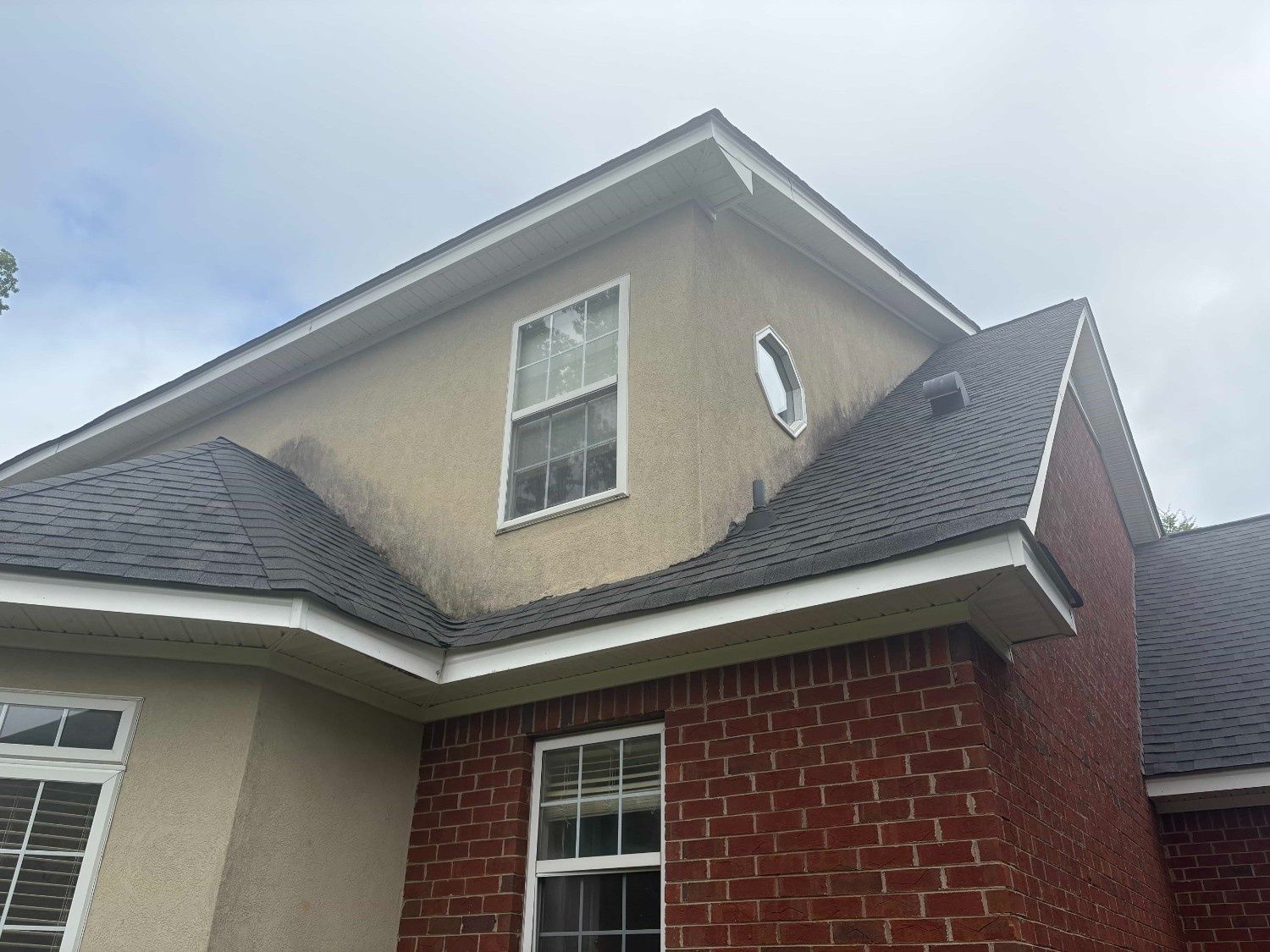
Black streaks running down roof slopes aren't dirt or weather staining—they're algae colonies feeding on the limestone filler in asphalt shingles. Georgia's heat and humidity create ideal growing conditions, which is why roofs here darken visibly within five to seven years even when the shingles underneath remain structurally sound. FloPro Pressure Cleaning LLC handles roof cleaning in Augusta using soft wash methods that kill algae without the high-pressure water impact that damages shingles, shortens roof life, and voids manufacturer warranties.
Soft washing applies biodegradable algaecides at low pressure, allowing the solution to penetrate shingle granules and kill the root structure of organic growth. The treatment dwells for fifteen to twenty minutes, breaking down algae and moss, then rinses away with garden-hose pressure. This approach removes discoloration without stripping protective granules or forcing water under shingle edges the way pressure washing does.
Arrange an on-site consultation to evaluate current algae coverage and determine what treatment concentration your roof type requires.
Why Soft Washing Works for Roof Treatment
Roof cleaning starts with identifying shingle type and age because older roofs with granule loss require gentler chemical concentrations than newer installations. Gutters are cleared before treatment so rinse water drains properly, and all surrounding landscaping gets pre-wetted to dilute any overspray. The cleaning solution is applied from a ladder or ground sprayer—never by walking on the roof, which causes unnecessary shingle damage and compresses the mat underneath.
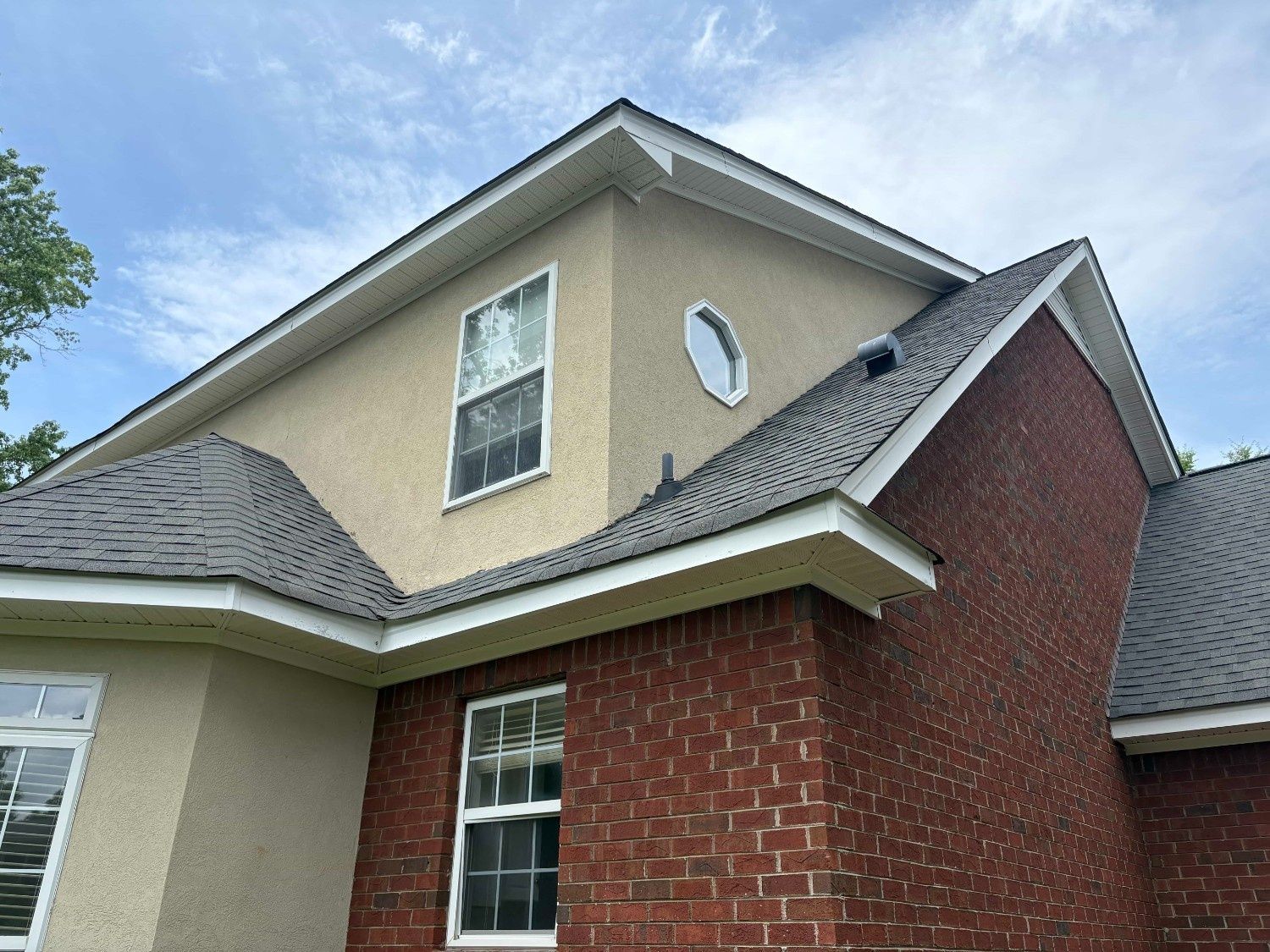
Once the treatment is complete and rinsed, your roof returns to its original color uniformly across all exposures instead of showing dark north-facing slopes and lighter south sides. The surface looks clean from the street, which matters for property value and curb appeal, and the shingles stay cleaner for eighteen months or longer because the treatment killed the algae rather than just washing away visible stains. You'll notice the black streaks don't reappear after the next rain cycle the way they do with pressure washing alone.
The service includes gutter rinsing and downspout flushing to clear any dislodged debris from the cleaning process. Soft wash roof treatment extends shingle life by removing the organic growth that holds moisture against the mat and accelerates deterioration. Professional training in proper chemical application and surface-safe techniques matters because incorrect dilution ratios or high-pressure rinsing causes the granule loss and edge lifting that homeowners fear when considering roof cleaning.
What Property Owners Usually Ask
Here's what comes up during most roof cleaning consultations across the Augusta area.
What causes black streaks on Georgia roofs?
The discoloration is gloeocapsa magma, an algae species that feeds on limestone filler in asphalt shingles and thrives in humid climates, spreading across roof surfaces as spores carried by wind and rain.
How does soft washing differ from pressure washing for roofs?
Soft washing uses low-pressure chemical application to kill algae at the root, while pressure washing uses high-pressure water that strips protective granules, forces water under shingles, and provides only temporary cosmetic improvement.
How long do roof cleaning results last?
Properly applied soft wash treatments typically last eighteen to thirty months because the algaecide kills existing growth and provides residual protection, compared to a few months for pressure washing which only removes surface stains.
Will roof cleaning damage old shingles?
Soft washing is safer for aged roofs than pressure washing because it uses chemical action rather than mechanical force, though roofs with significant granule loss or existing damage may show those conditions more clearly once algae is removed.
When should roof cleaning be scheduled?
Late fall or early spring provides the longest-lasting results because cooler temperatures slow algae regrowth, though cleaning can be done year-round when weather conditions allow safe ladder work and proper chemical dwell time.
FloPro Pressure Cleaning LLC operates with specialized training in surface-safe roof treatment and proper insurance coverage for elevated work. Schedule a roof assessment to identify current algae patterns and discuss what treatment approach your shingle type and age require.